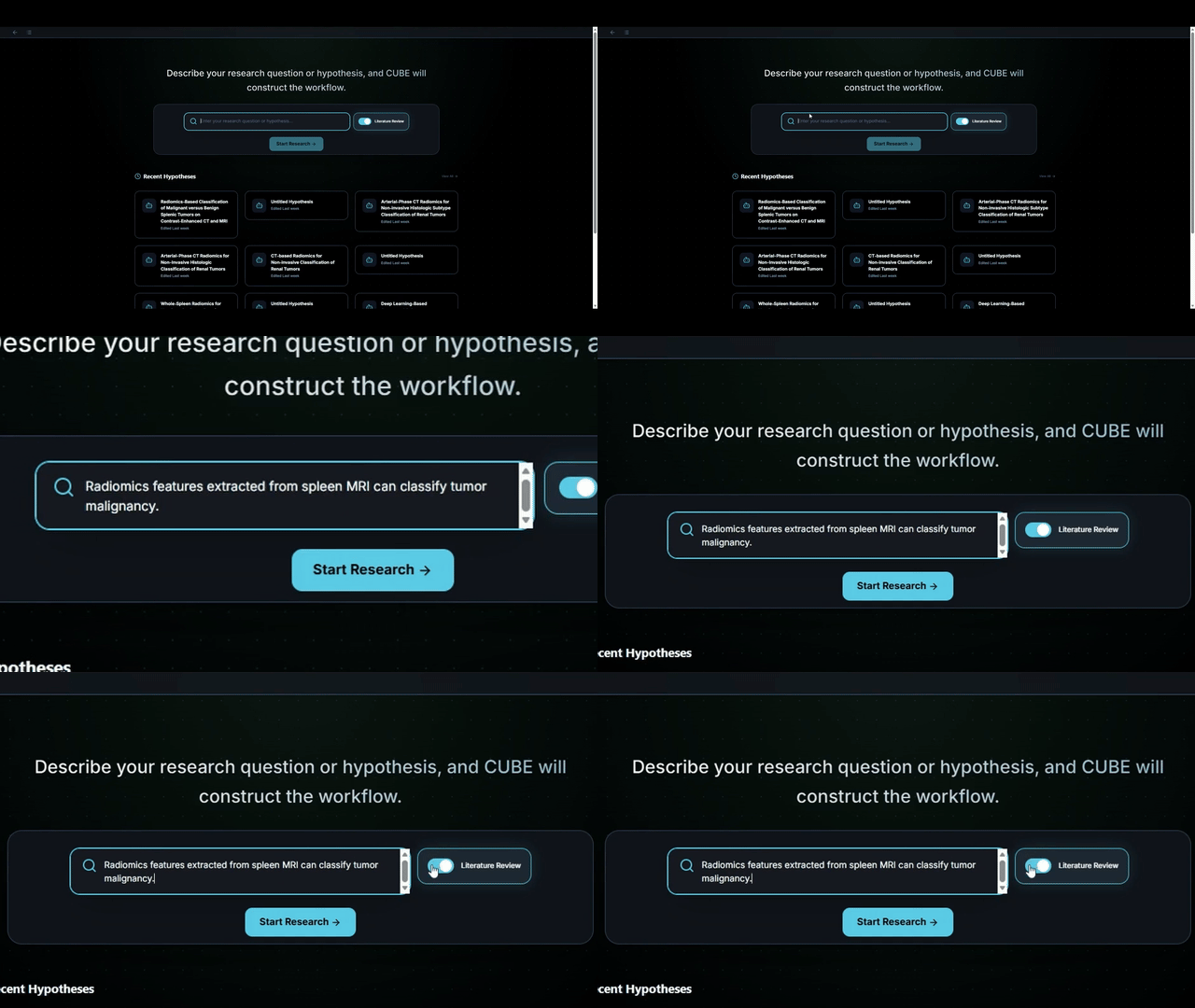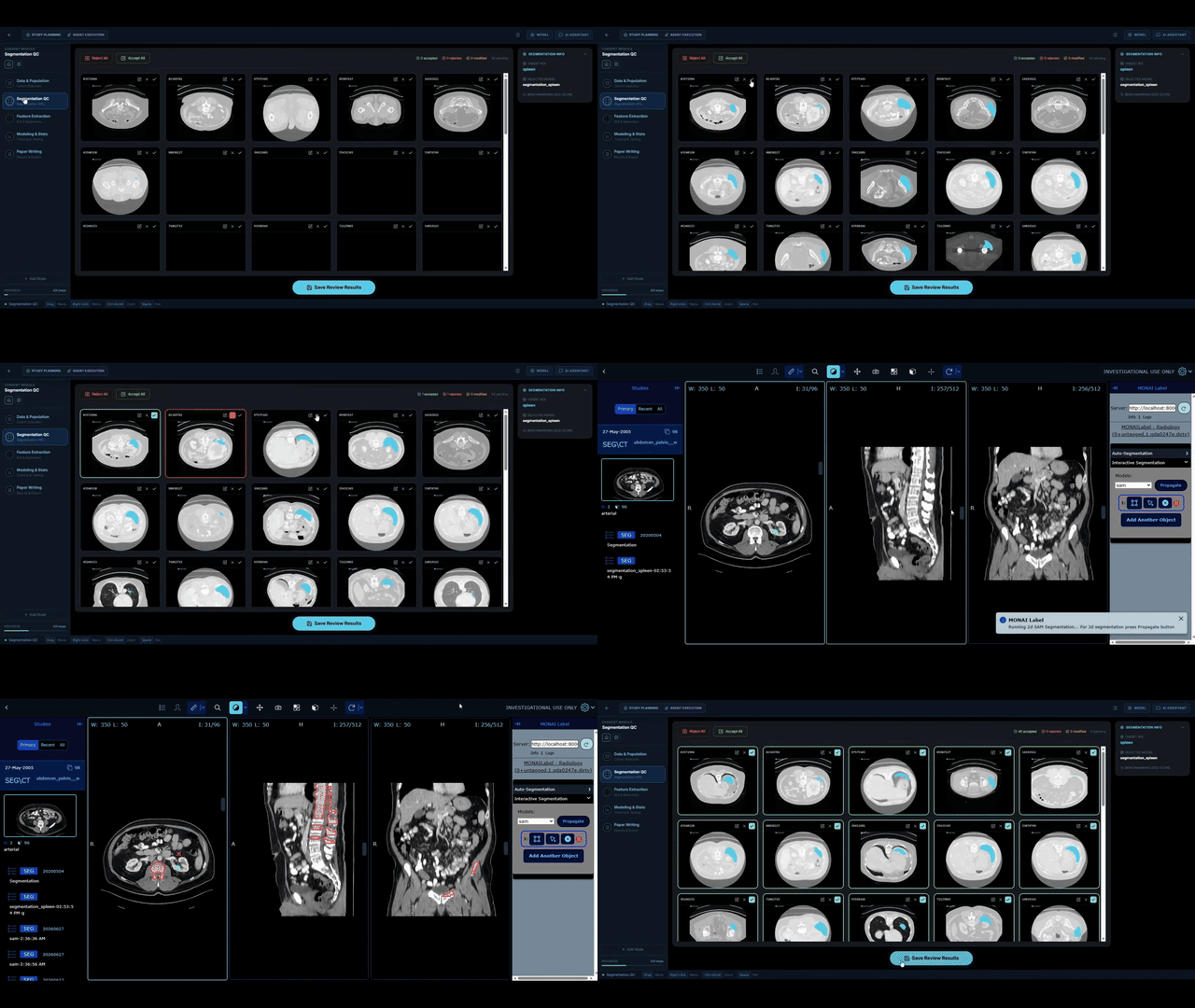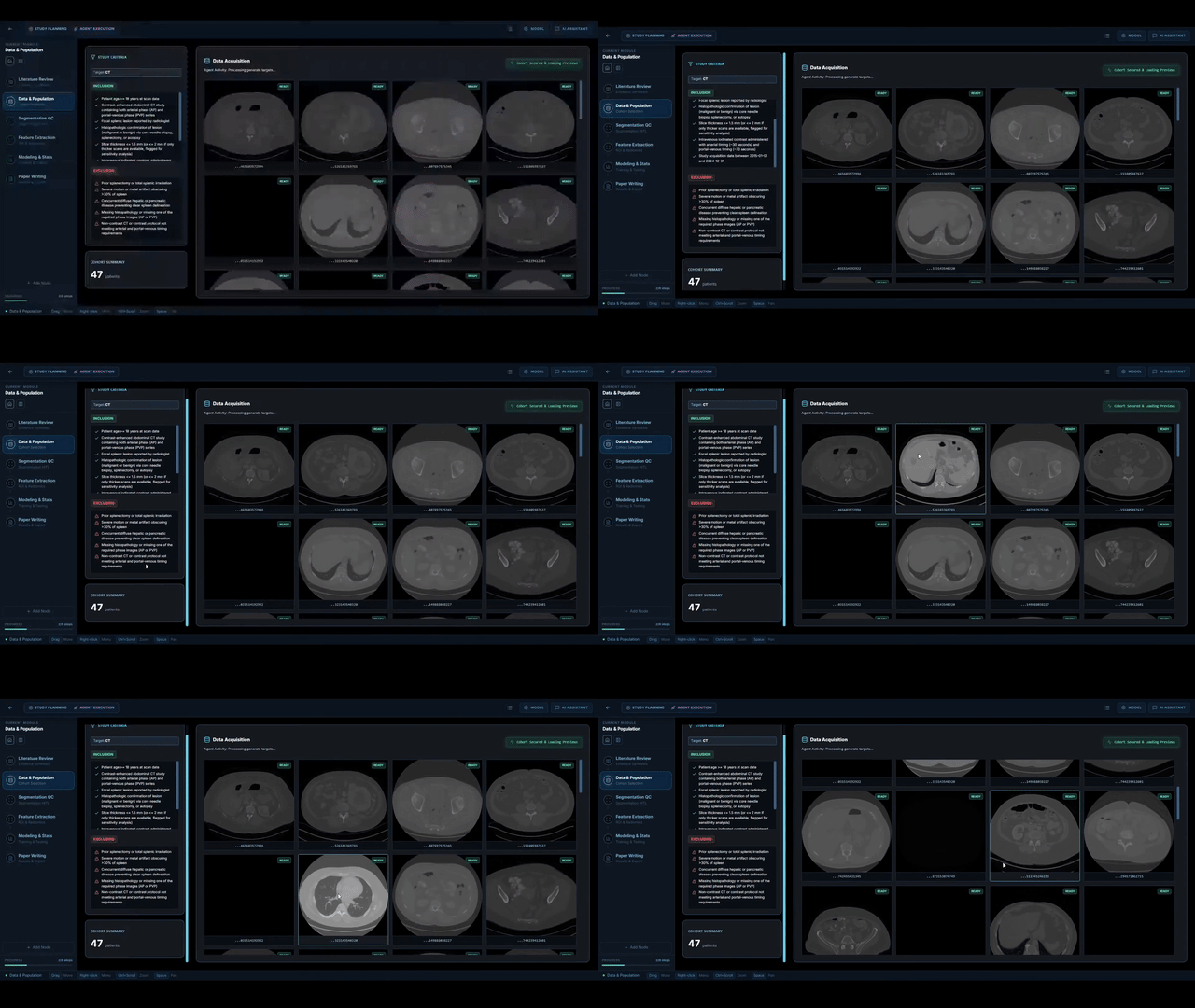
CUBE AI is an autonomous radiology research platform built at Cairo University. Define a research question. The pipeline executes literature review, cohort assembly, segmentation, radiomic feature extraction, model training, and manuscript generation — without manual intervention.
A valid hypothesis reaches a radiologist's desk. Then months pass. Literature must be searched and ranked manually. PACS databases queried with custom scripts. Cohorts assembled case by case. Annotations drawn by hand. Features engineered from scratch. Each step requires a different specialist, a different tool, and weeks of waiting.
This is not a science problem. Radiology has no shortage of testable hypotheses. It has a critical shortage of infrastructure to test them. The majority of research ideas are quietly abandoned — not because they were wrong, but because executing them was impractical.
CUBE AI is the infrastructure layer that was missing. The scientific judgment stays with the radiologist. Every step between hypothesis and manuscript becomes autonomous.
Each stage runs autonomously, logs every decision, and waits for your approval before proceeding.
Chest X-ray radiomics study. 847 patients. 1,316 features. One research question in, submission-ready paper out. No manual handoffs.
Raw images and identifiers never leave your institutional environment. Only anonymized, aggregated features reach the language model layer.
Every stage is reviewable and interruptible. Approve the plan, validate segmentations, confirm cohorts. You decide when the pipeline proceeds.
PyRadiomics extracts features across all IBSI classes — first-order, shape, GLCM, GLRLM, GLSZM, NGTDM, wavelet, LoG — with full reproducibility documentation.
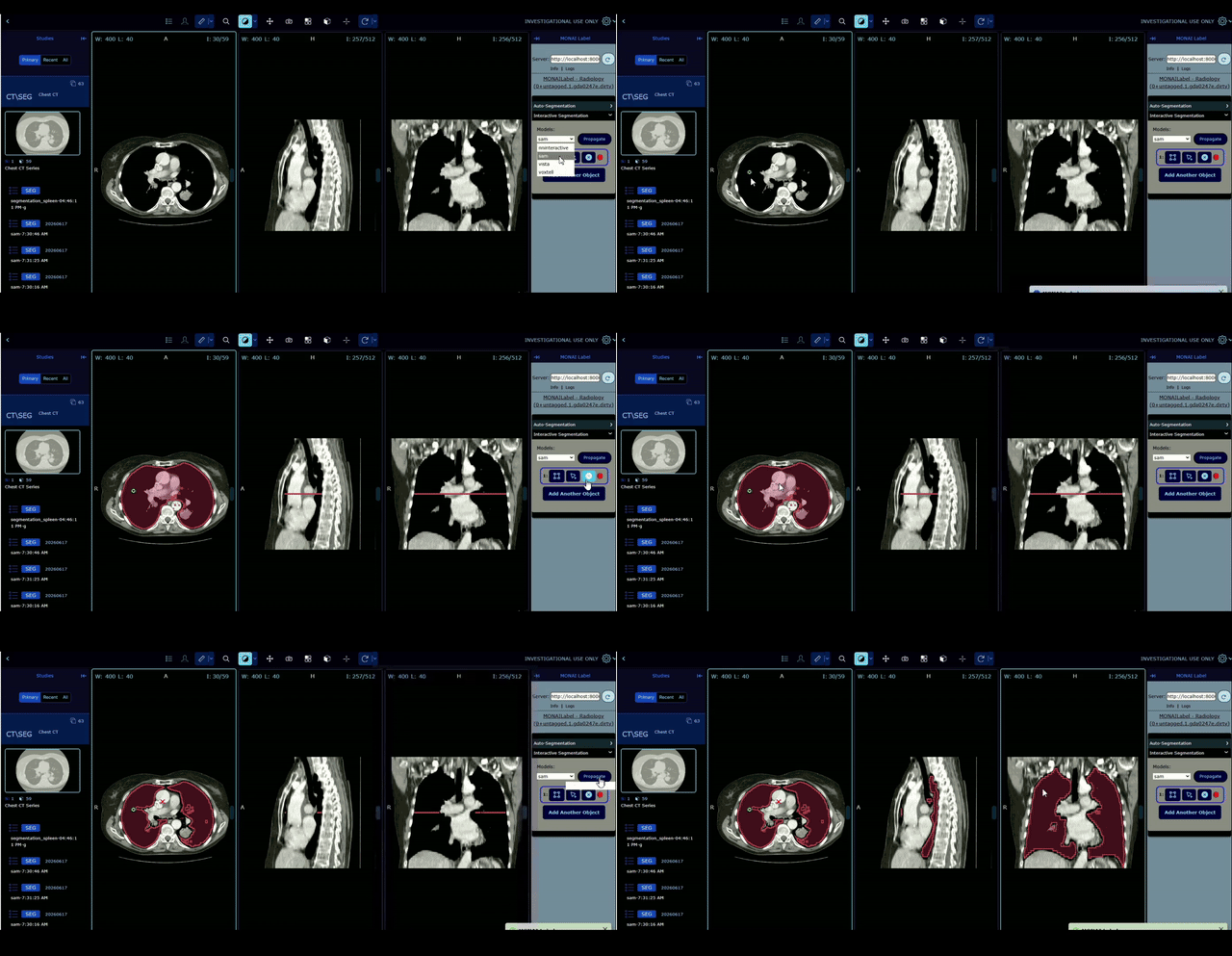
SAM2, VISTA-3D, and nnInteractive provide sub-millimeter lesion segmentation with point-click and bounding-box correction in an OHIF-integrated viewer.
Every agent action is logged with timestamps, content hashes, and input/output records. Any result can be independently verified from the audit trail.
The Reporting Agent writes a structured academic manuscript in native LaTeX, compiled to a submission-ready PDF with every numerical claim traceable to source data.
State your research hypothesis in plain language. The Planning Agent decomposes it into a structured, stage-by-stage research plan and presents it for your review and approval.
Monitor autonomous execution in real time via the Playground. Every agent action is visible. Intervene, adjust, or approve at any stage.
Download a complete, formatted academic manuscript in PDF. Every result is traceable, every decision is logged, and the entire pipeline is reproducible.
We are onboarding a limited cohort of radiology researchers, clinical AI teams, and institutions. Priority is given to teams with active retrospective imaging studies.
Thank you. We will review your application and respond to your email within 5 business days.
Patient data handling follows clinical data governance standards. No raw patient images or identifiers are processed by language models.
Every agent action is logged with content hashes and timestamps. Full reproducibility documentation is generated alongside every manuscript.
CUBE AI's pipeline is built on PyRadiomics, OHIF, SAM2, and XGBoost — peer-validated tools trusted by the clinical research community.
CUBE AI is developed at Cairo University's Faculty of Engineering with support from academic and funding partners.





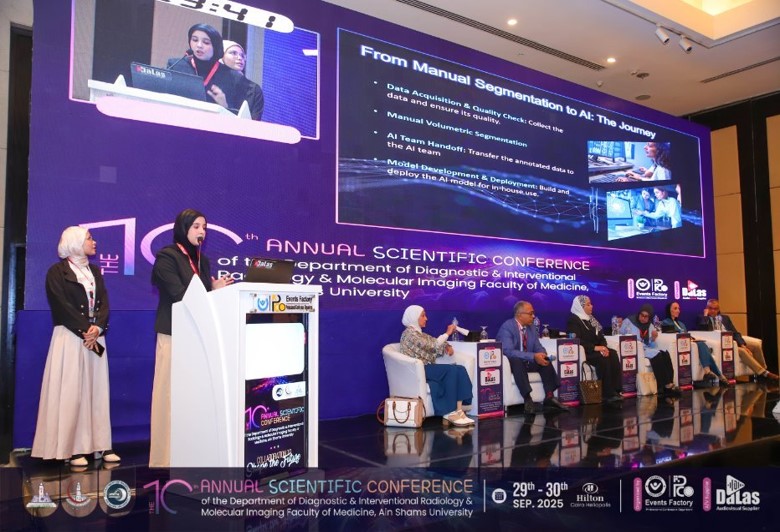
CUBE AI was demonstrated to clinical radiologists and researchers at a national radiology conference, receiving validation of the pipeline approach from practicing clinicians.
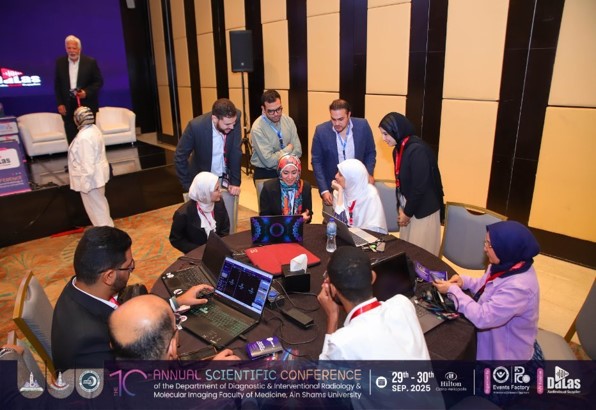
Practicing radiologists have tested the CUBE AI platform in a hands-on setting, validating the interface design and pipeline output against real clinical research workflows.
A multidisciplinary team from Cairo University's Faculty of Engineering, combining expertise in medical imaging, AI research, and clinical systems.

The CUBE AI team — Faculty of Engineering, Cairo University

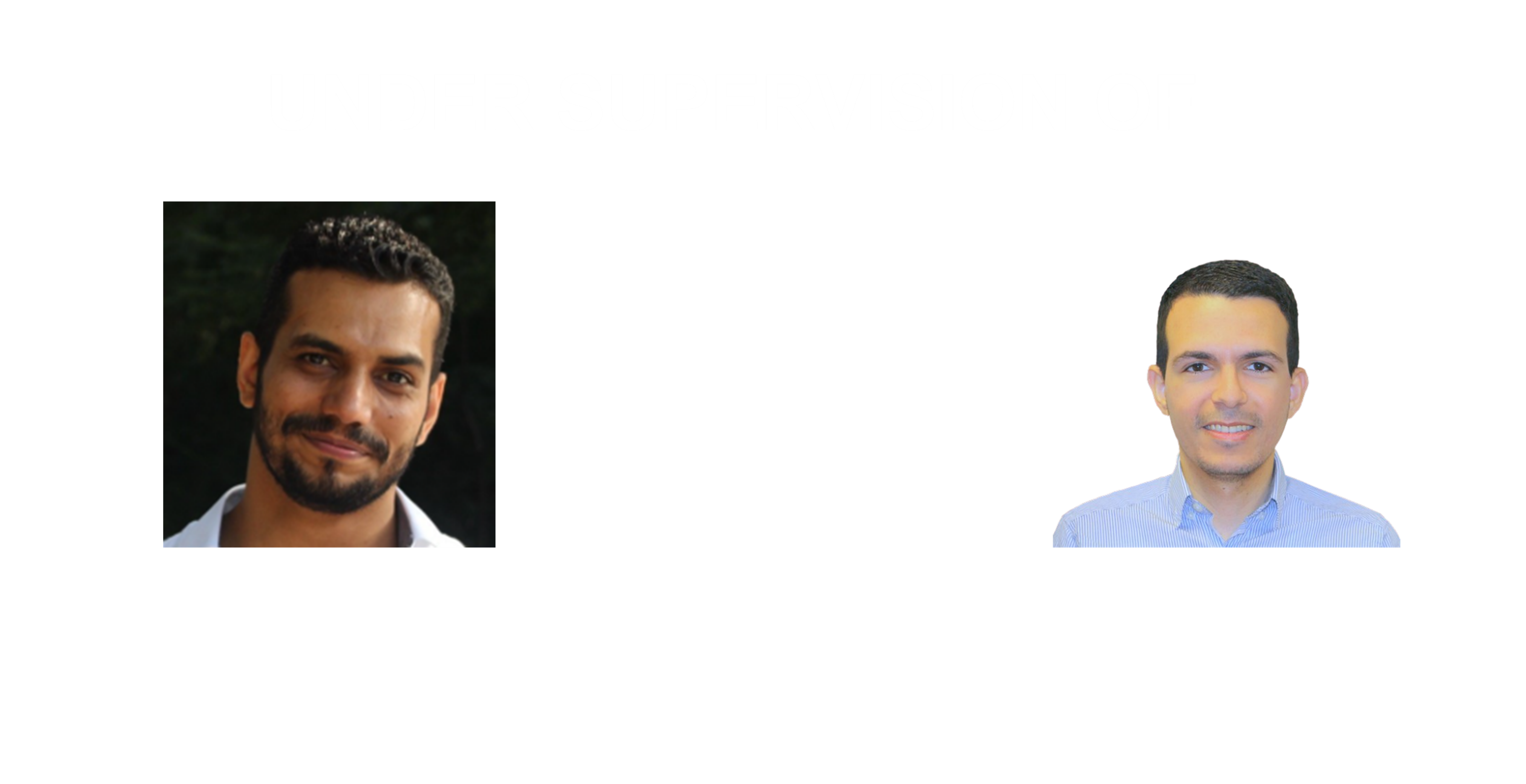
CUBE AI is developed under academic supervision from the Systems and Biomedical Engineering Department, Faculty of Engineering, Cairo University.
CUBE AI is currently optimized for retrospective radiomics studies using CT imaging. Support for MRI, PET, and prospective study designs is on the roadmap.
Yes. CUBE AI connects to your institutional PACS to query and retrieve imaging data. We support standard DICOM connections and DICOMweb APIs. Patient data never leaves your institution's environment.
Raw patient data — including images and identifiers — is processed entirely within your institutional environment. Only anonymized, aggregated features are passed to the language model layer. No patient data is sent to external servers.
The manuscript output is designed to meet the structural and methodological standards required for submission to peer-reviewed radiology journals. Researchers review, validate, and submit the output as they would any co-authored manuscript.
Early access includes full pipeline access, direct support from the CUBE AI team, influence over the product roadmap, and founding institution pricing when we move to general availability.
A standard retrospective radiomics study — from hypothesis to manuscript — completes in under 60 minutes on a pre-assembled cohort. Total elapsed time depends on cohort size and PACS query speed.